
Is the Great Ocean Road a comfortable and accessible trip for seniors? Short answer: yes – but with some careful planning. This isn’t one of those holidays where everything’s just laid out for you – it’s a wild, twisty road with some serious ups and downs.
I’m Paul, and I’ve had the pleasure of taking loads of older travellers along this stretch – from happy-go-lucky grey nomads cruising around in campervans to the more sedate types who just want a relaxed, wheelchair-friendly day trip that doesn’t involve scrambling up a mountain. Do it right, and it’s one of Australia’s most accessible coastal drives. Do it poorly, and it’s a real slog with nothing but bumps in the road.
If you’re thinking of a Great Ocean Road trip, the key is to put comfort first – don’t try to pack in every single stop.
Contents
- 1 What Actually Makes The Journey Comfortable For Older Travellers
- 2 How To Structure The Trip Without Burning Out
- 3 What The Drive Actually Feels Like
- 4 Best Stops For Easy Access (No Heroics Required)
- 5 When To Go For The Most Comfortable Conditions
- 6 Practical Comfort Checklist (Don’t Leave This To Chance)
- 7 A Quick Word On Safety And Planning
- 8 What The Numbers Say About Senior Travel Trends
- 9 The Takeaway From Someone Who’s Done The Miles
- 10 FAQ
What Actually Makes The Journey Comfortable For Older Travellers
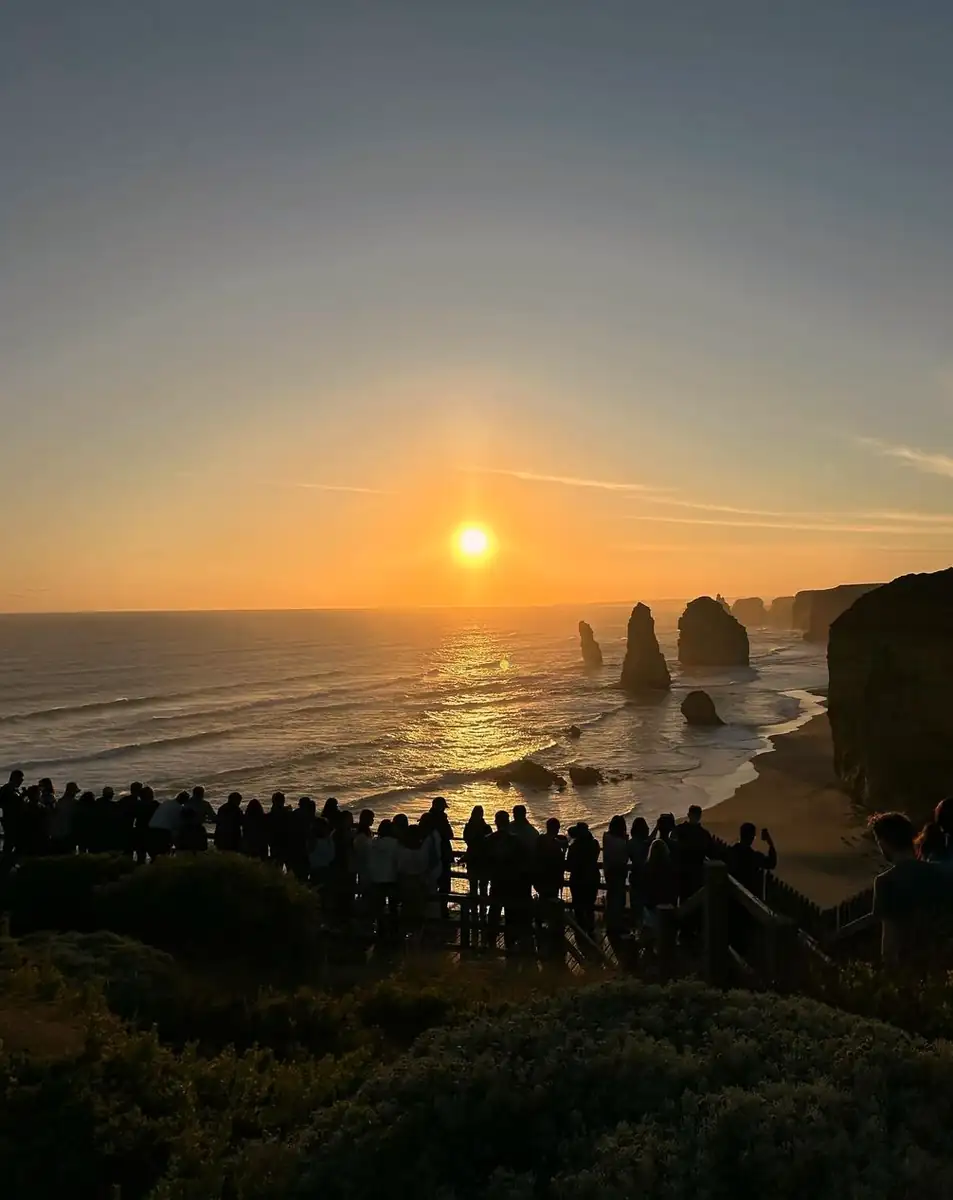
The Great Ocean Road has one big ace up its sleeve: you can see all the highlights without having to do too much walking. Most of the best spots – including the Twelve Apostles, Loch Ard Gorge, and the rest of those stunning limestone stacks – have nice short paths and solid facilities.
People might be surprised at how thoughtful the planning is, with local councils like the Surf Coast Shire Accessibility Plan really stepping up to improve services and facilities for people with mobility issues.
Where The Trip Gets It Right
- Nice big parking spots at major sites like the 12 Apostles and Loch Ard Gorge.
- All sorts of wheelchair-friendly access points and smooth, sealed paths at the best lookouts.
- Visitor hubs like the Port Campbell National Park Visitor Centre.
- Loads of support for people with mobility problems, vision impairment, and cognitive disabilities.
Where You’ll Need To Be Selective
- Not every site is fully wheelchair accessible, so be prepared to rough it a bit.
- Gibson Steps – sorry, it’s all stairs and no lift.
- Coastal wind can be pretty brutal in the bad weather.
- Peak season crowds mean finding a park is gonna be a real challenge.
How To Structure The Trip Without Burning Out

If you’re making the same mistake that I see over & over again, it’s probably that you’re trying to cram everything you want to do into a single day. Sure, if you’re a spry 25-year-old living off nothing but servo coffee, this might be doable – but for anyone else who actually wants to enjoy their trip, forget it.
A slower pace changes everything, and I mean that in a good way.
Two-Day Approach (The Sweet Spot)

Breaking the trip into two days is a no-brainer. So, you’re heading from Melbourne to Anglesea and Lorne & then settling in Apollo Bay – this way you can actually have some breathing room, grab some proper food, do some of those lovely Accessible Walks without feeling like you’re running for the train. And then the next day, you can just take it easy on your way towards the Twelve Apostles and Port Campbell National Park.
Let Someone Else Handle It
For many people, a pre-planned Great Ocean Road day trip is one of the easiest things to do. There are heaps of operators like AutopiaTours that do Great Ocean Road tours from Melbourne – and they’ve got all the comfort stops, timing, and accessibility considerations all sorted.
A well-planned Great Ocean Road tour sort of puts the whole navigation thing out of your mind and stops you from making the classic mistake of trying to cram too much into a single day.
What The Drive Actually Feels Like
On paper, the distances don’t look so bad, do they? But in reality, this isn’t some highway run – this is a slow, winding coastal drive through the Great Otway National Park.
The bit between Lorne & Apollo Bay is the most tiring. It’s dead gorgeous, but it’s got some pretty sharp turns and bends, which will keep you on your toes and your passengers reaching for the window button.
To give you a realistic idea of how long it takes:
Travel Time Reality Check
| Section | Distance | Driving Time | Realistic Time With Stops |
|---|---|---|---|
| Melbourne → Anglesea | ~110 km | 1.5 hrs | 2–3 hrs |
| Anglesea → Apollo Bay | ~100 km | 2 hrs | 3–4 hrs |
| Apollo Bay → 12 Apostles | ~90 km | 1.5 hrs | 3 hrs |
Comfortable trip: 2 days minimum, especially if you want a relaxed Great Ocean Road trip without fatigue
Best Stops For Easy Access (No Heroics Required)

Some stops on the Great Ocean Road are a doddle, while others will have your knees crying out for mercy – or put your patience to the test, that is.
Easy And Worth It
- Twelve Apostles – great news: there are plenty of wheelchair-accessible areas to explore.
- Loch Ard Gorge – easy sealed paths and comfy seating areas to take a load off.
- Apollo Bay foreshore – nice and flat, good facilities too.
- Anglesea Beach – they’ve even got beach wheelchair hire (oddly enough) and some good information on getting on and off the beach.
Moderate Effort (Pick And Choose)
- Cape Otway Lighthouse – it’s not entirely accessible, but you can get a glimpse of the view.
- Blue Spruce Walk (Great Otway National Park) – manage it with some elbow grease, but some of you may still struggle.
Skip If Mobility Is Limited
- Gibson Steps – uneven footpath is no picnic for anyone, I’m afraid.
- The Otway rainforest – rather too many uneven bush tracks for someone with mobility issues.
- Remote coastal access points – you’ll need to be feeling fit.
When To Go For The Most Comfortable Conditions
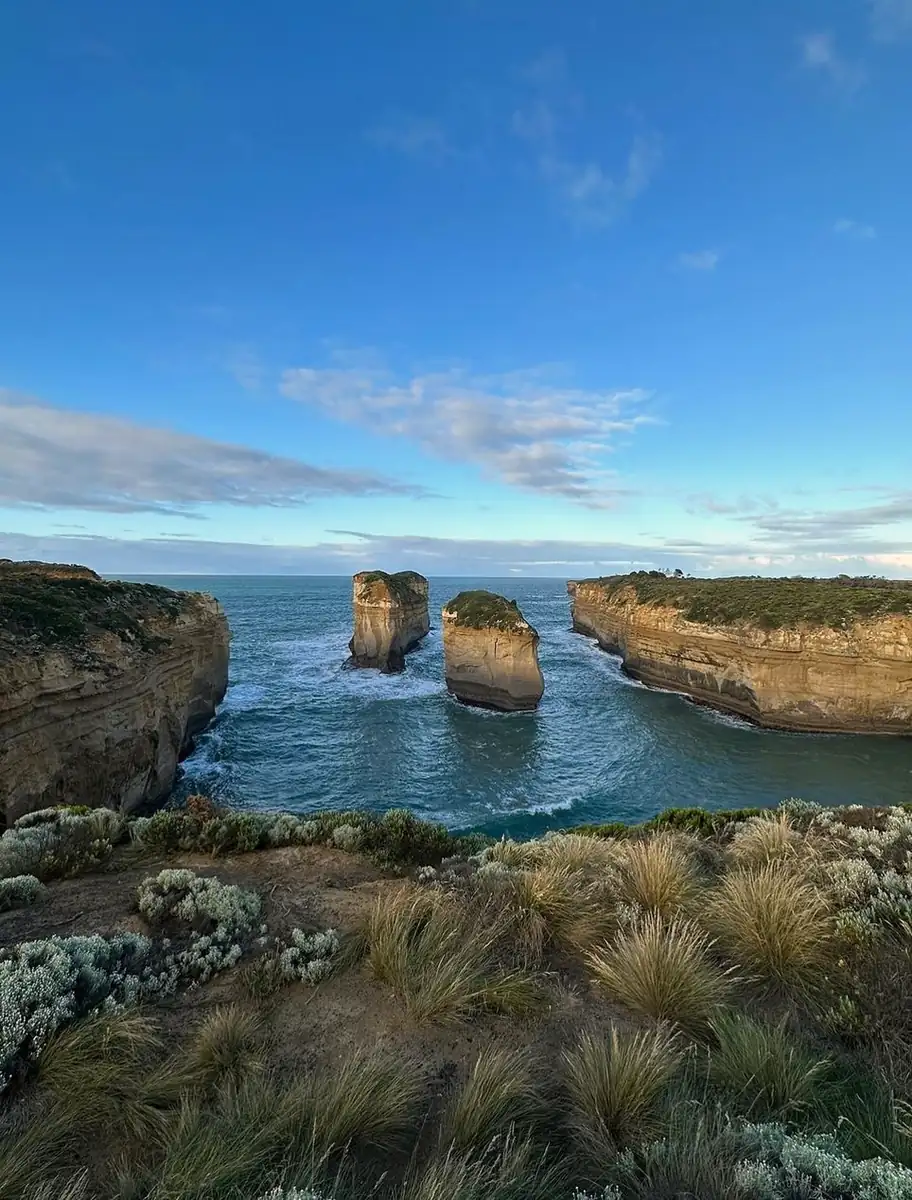
You might think it’s just a case of picking a date, but trust us, the time you visit can make or break your trip.
Summer is long days and open facilities, but oh boy, the crowds and parking are a nightmare – especially if you’re part of a large tour. They all seem to go at the same time, and you’re stuck in traffic, queuing and sweating.
Autumn and spring – now those are the times to visit. Calmer, less crowded, and with more accessible facilities such as the Inclusive Great Ocean Road Experiences, that, it’s a little slice of heaven for seniors.
Winter has its charm, quiet, peaceful – sometimes you feel like you’ve got the place to yourself. But it’s generally a bit chilly and wet – and that wind from the Southern Ocean can cut you to the bone.
Practical Comfort Checklist (Don’t Leave This To Chance)
This is the stuff seasoned travellers always remember to bring along.
Essentials
- Water and snacks to keep you going
- Comfy shoes, you’ll need them
- Sunscreen and hat – your skin will thank you
- Any mobility aids you require, just in case
Specific Tips
- Don’t forget your disabled parking permit
- Research ahead of time, know what to expect
- Check which facilities have changing places and book ahead if needed
- If you really want to be comfortable, book somewhere that’s wheelchair accessible
A Quick Word On Safety And Planning
The Great Ocean Road is really upping its game when it comes to being inclusive – but don’t get caught out thinking it’s a free-for-all.
There are some great programs, such as the Inclusive Great Ocean Road Experiences, that, for a lot of seniors, a Great Ocean Road tour offers much to make life easier for people with additional needs and seniors. And one way to make your life a whole lot easier is to go for a structured option like a Great Ocean Road day trip with AutopiaTours – you’ll know exactly what to expect and where to go.
Before you head off, always remember to
- Check the conditions beforehand
- Give yourself plenty of time for breaks
- Let comfort be your priority – don’t try to cram too much in
What The Numbers Say About Senior Travel Trends
Australia’s population is ageing and travelling more than ever before. We’re not just talking about a few extra trips to the beach – over 35% of domestic travellers are now 55+, with road trips a real favourite. And no surprise – the Great Ocean Road is leading the way in catering to this new market.
The stats explain why more and more Great Ocean Road tours from Melbourne are being designed to have accessibility and comfort at the forefront.
The Takeaway From Someone Who’s Done The Miles
The Great Ocean Road may have been intimidating, but it really isn’t that far out of reach for seniors – if you do it the right way, that is.
Take it easy. Pick some accessible places to stop. Make the most of the infrastructure already there. And if you just want hassle-free, then let someone else sort all the details.
FAQ
Is the Great Ocean Road wheelchair friendly?
It’s not a complete no-brainer: major attractions are accessible, but not every single location will be.
Will I find accessible toilets and facilities?
Yup, at the big stops, but don’t forget the gaps between. Plan.
Can seniors with mobility issues still enjoy themselves?
Absolutely, they can – no need to be left out. Most highlights are pretty low-key.
Is a guided tour better than driving yourself?
I reckon that, for a lot of seniors, yes, a Great Ocean Road tour offers much more comfort and less stress.
What’s the best way to experience it?
Hands down, a well-thought-out Great Ocean Road day trip or multi-day guided option is the way to go for a super relaxed experience.