Are Tastings still Free, or do you have to fork out everywhere now? The first thing people ask me when planning a weekend in wine country is ‘do I still get to get in and get a splash for free?’ And fair play – nobody wants to turn up expecting a friendly welcome and then get slugged with a bill. The short version is: yes, free tastings still exist, but they’re no longer the norm, especially in Australia’s busiest wine regions.
I’m Paul Beames, I’ve spent years showing people the ropes in vineyards, cellar doors and the odd dusty backroad. I’ve seen tasting culture change, and fast. Some of it is down to rising costs, some to people wanting to control the crowds, and some to wineries wanting to offer a better, more thoughtful experience. Let’s get down to the nitty-gritty, work out where your money is going and how to make sure you’re not being duped.
Wine tasting used to be pretty simple. You’d lean on the counter, taste four wines, have a good chat and maybe end up buying a bottle if something caught your eye. But when visitor numbers started to soar, the old model just didn’t work anymore – especially in places close to the big cities.
In places like the Hunter Valley and the Yarra Valley, wineries are now dealing with thousands of visitors every weekend. With rising insurance rates, staffing problems and the cost of running a proper tasting room, it’s no wonder that a lot of wineries have started charging a tasting fee. Wine Australia reckons domestic wine tourism is pulling in more than $45 billion a year – and cellar doors are still getting busier and busier.
That’s the good news – but the bad news is that all those visitors are costing the wineries a pretty penny – and a tasting fee is just one way they’re trying to make ends meet.
Contents
- 1 Where You’ll Still Find Tastings on the House
- 2 When Paying Up Is the Only Option
- 3 What You’re Actually Handing Over
- 4 The Hunter Valley’s Mixed Bag of Tricks
- 5 Yarra Valley: Close To Melbourne, Heavy On The Formalities
- 6 Why Some Tastings Feel Worth Every Penny
- 7 Spirits, Cocktails And How They’ve Become A Part Of The Picture Now
- 8 Planning Ahead
- 9 Free Tastings Are Still Around, But They’re Not As Easy To Find
- 10 FAQ
Where You’ll Still Find Tastings on the House
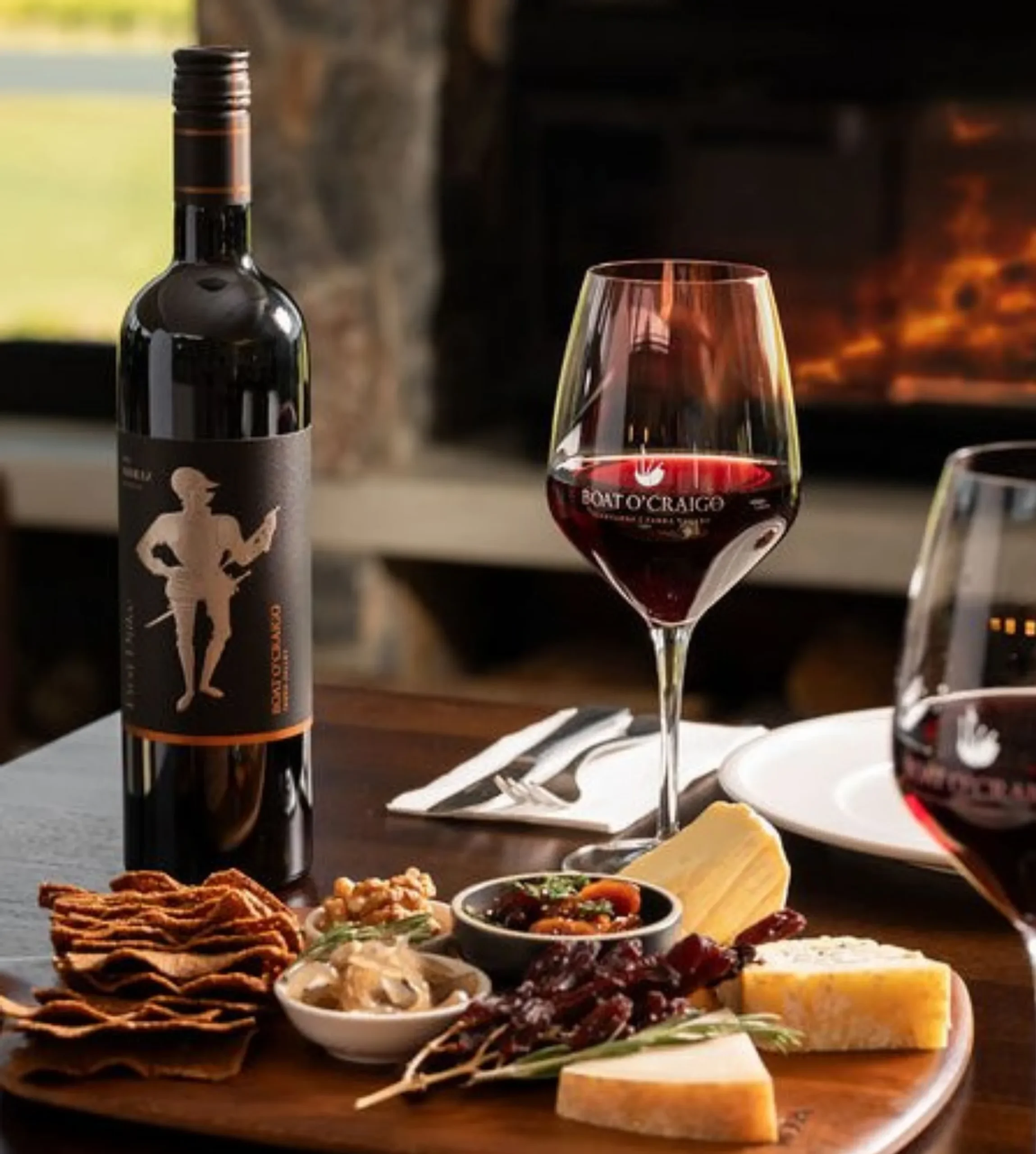
Just because free tastings aren’t the norm anymore doesn’t mean they’ve vanished – they’ve just retreated to the quieter spots. Smaller producers, family-run cellar doors that are off the beaten track and the like are still happy to pour without charging a cent.
You’ve got a good chance of scoring a free tasting when:
- The cellar door doesn’t take bookings
- They’re only offering a few wines, and they’re all pretty special
- You’re smart and visit mid-week or outside peak season
- You show some genuine interest and don’t just rush in and out
I’ve had some cracking good tastings at places that are so quiet you’d miss them if you didn’t know they were there – places that only get visited by the locals or by people who are in on the secret.
When Paying Up Is the Only Option
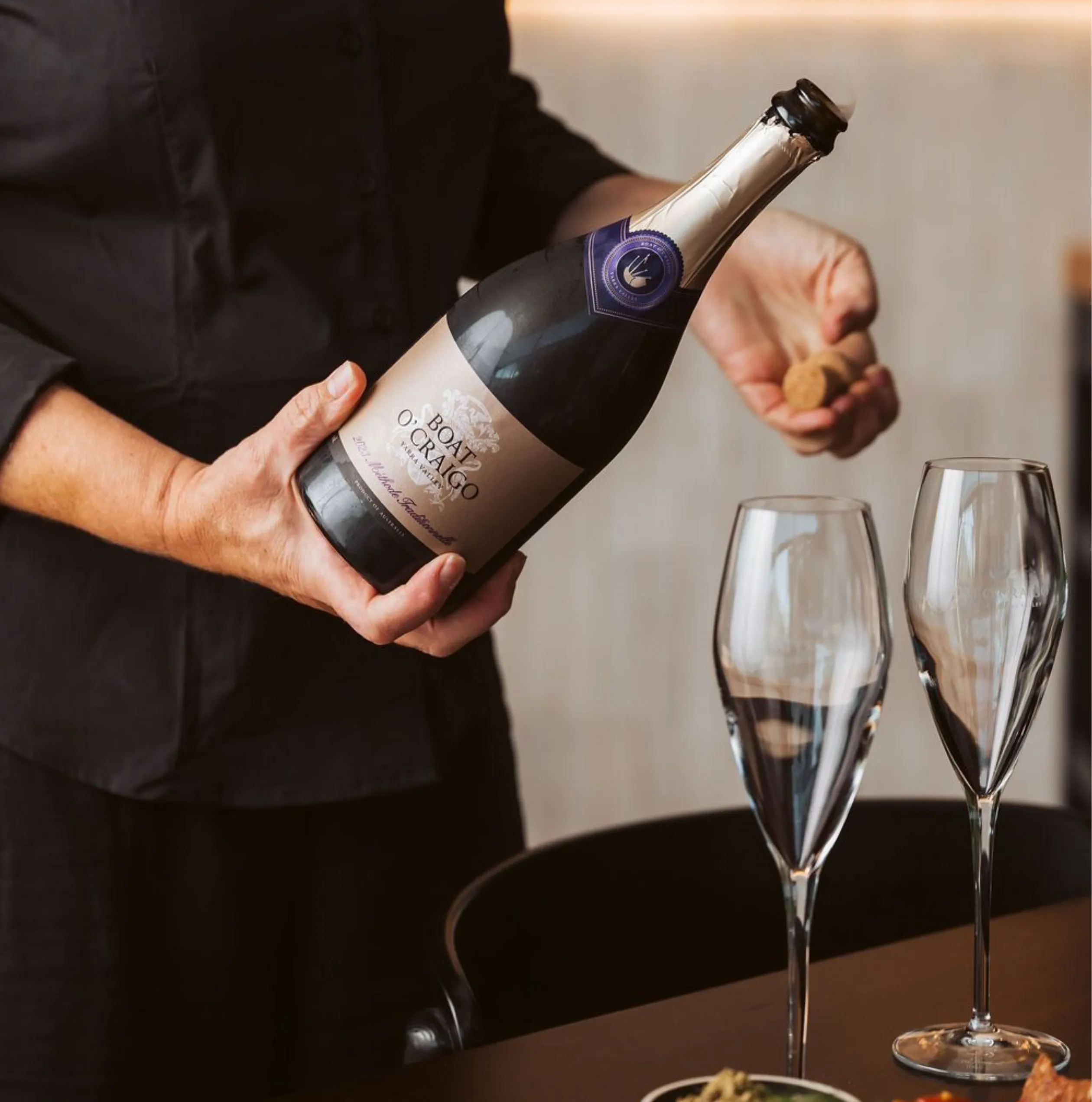
There are times when paying up is just the way it is – and some of the time it’s actually pretty reasonable. Seated tastings, reserve wines and the like usually come with a fee – especially in the more upmarket regions.
In places like Pokolbin in the Hunter Valley, tasting fees are usually around $10 to $25 per person – and if you do end up buying some wine, they’ll usually give you your money back. Over in the Yarra, expect similar prices – and don’t be surprised if you need to book in advance.
Here’s a realistic snapshot of current expectations (AUD, 2025):
| Region | Typical Tasting Fee | Refundable With Purchase |
| Hunter Valley | $10–$25 | Often |
| Yarra Valley | $15–$30 | Common |
| McLaren Vale | $0–$20 | Frequently |
| Margaret River | $10–$20 | Sometimes |
| Barossa Valley | $15–$30 | Usually |
These are cellar door stats and tourism figures from 2024-2025 – always a good idea to check ahead of time – policies change faster than the weather does up in the high country.
What You’re Actually Handing Over
A tasting fee isn’t just about the wine in your glass – you’re paying for time, some expert knowledge and a bit of space, which can all disappear fast when the tasting rooms are heaving.
A good paid tasting usually covers things like
- Staff who actually know their stuff about grape varieties and berry ripening
- Some background on the winemaking process – not just ‘we put this, that and the other together’
- Access to the reserve wines or limited releases
- A quieter spot to sit and enjoy it all
When you get it right, you almost feel like you’re getting something rather than just being handed a bill. When it’s all a bit rubbish, you’ll know within five minutes – which is when I think to myself, “better get out of here”.
The Hunter Valley’s Mixed Bag of Tricks
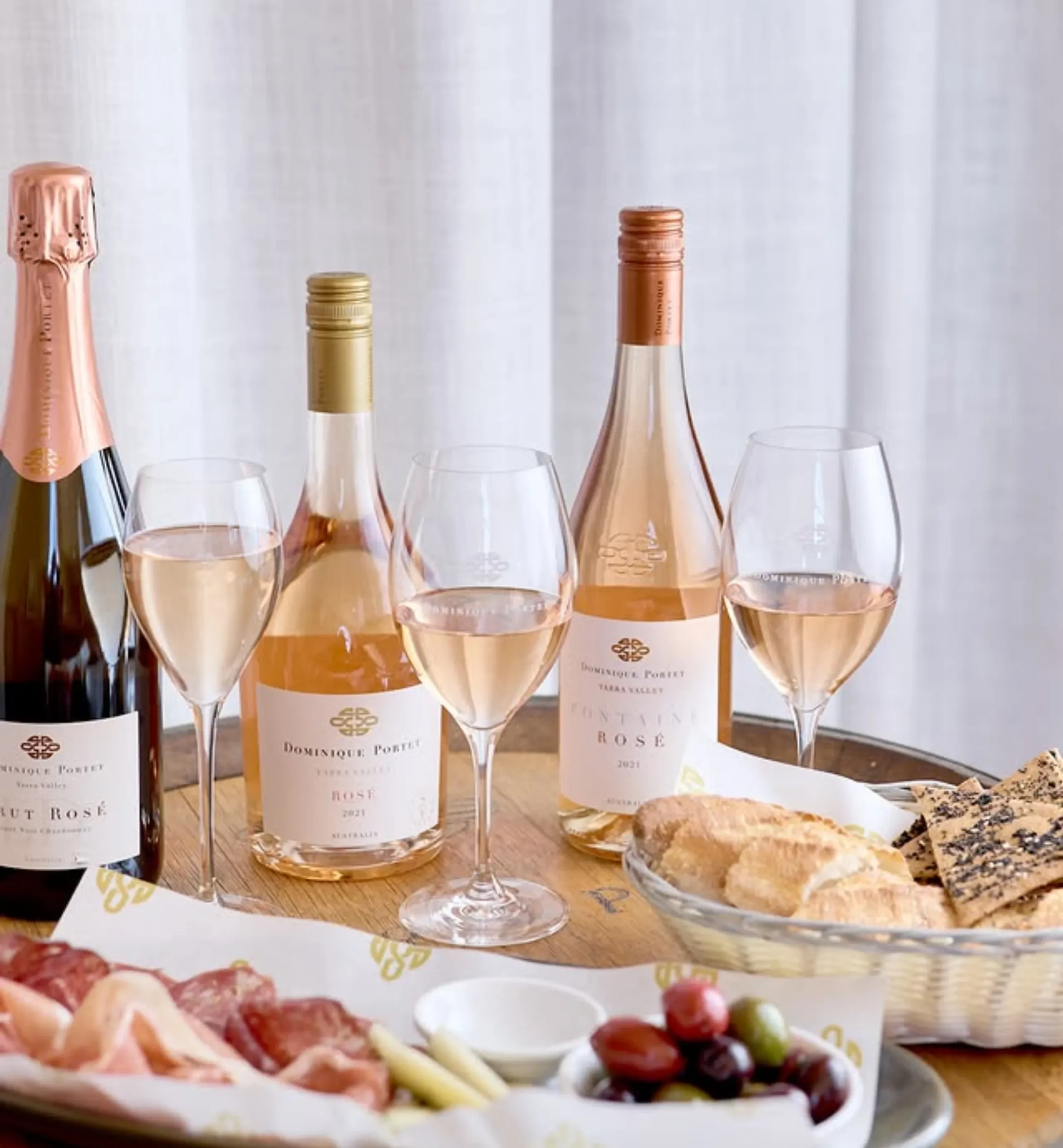
The Hunter Valley is a bit of a case study because you’ll find every possible tasting model within a ten-kilometre radius. Some cellar doors will still pour you a glass for free, while the next one will charge an arm and a leg for a reserve tasting that just happens to come with artisanal cheese.
In Pokolbin, many venues now use a reservation system to manage crowds, especially on weekends. That helps wineries keep numbers under control, maintain their outdoor spaces, and ensure they can accommodate people with mobility issues as well as everyone else. It also chases away anyone who isn’t really interested in the wine.
If you’re planning to visit, stay in the Pokolbin area or a bit further out, and limit the number of places you visit. You’ll have a better time, spend less overall, and avoid palate fatigue.
Yarra Valley: Close To Melbourne, Heavy On The Formalities
The Yarra Valley has picked up paid tastings much more quickly than most other regions, largely because it’s so close to Melbourne. On any given weekend, you’ll see the car parks chock-a-block, tour buses everywhere, and loads of people trying to squeeze in a Yarra Valley wine tour from Melbourne between brunch and dinner plans.
Here, the tasting room fees are what pay for the higher staffing levels, better service and all the rest – so think gourmet cheeseboards, regional ingredients and guided tastings where you don’t have to hurry along.
Why Some Tastings Feel Worth Every Penny
Not all tastings are created equal. I’ve been to sessions where I’ve paid $40 and learned more in an hour than in years of just knocking back a casual glass – and I’ve also been to places where I paid $10 and left feeling like I’ve just been thrown a glass of wine.
Premium tastings are worth every dollar when they offer things like
- Old vintages or single-vineyard wines
- Blind tastings that really challenge your palate
- A proper small group session with some proper wine training
- A good story – not just sales patter
This is the way it’s been done for years in places like Napa Valley, Paso Robles, and across Europe: tasting room fees are rarely refundable. By comparison, Australian pricing is still quite reasonable.
Spirits, Cocktails And How They’ve Become A Part Of The Picture Now
You’re starting to see many cellar doors sharing space with craft spirits producers. Whisky tastings, spirit tastings and even cocktail-making classes are popping up alongside the wine. And there’s a reason for that – it’s not everyone’s cup of tea to drink wine, and a premium spirits tasting can draw in a wider crowd.
Some places are now offering:
- Cocktail masterclasses (try out that fancy cocktail making)
- Small-scale distilling walk-throughs (get a behind-the-scenes look)
- Signature cocktails made with local botanicals (taste the flavour of the place)
It’s not meant to replace wine; it’s more about giving people extra options – especially the ones on mixed-interest group trips.
Planning Ahead
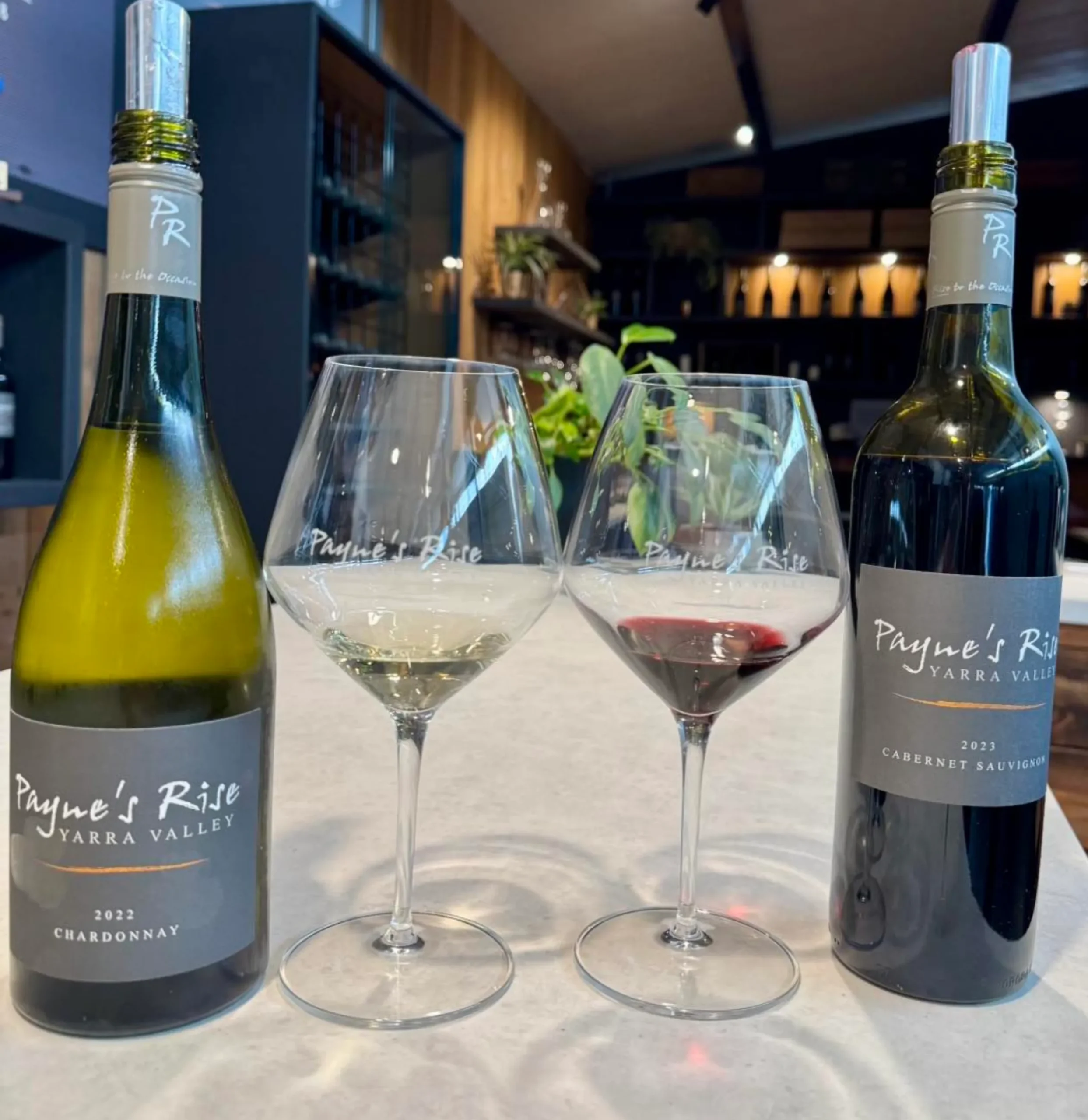
The key to enjoying this tasting culture is being well prepared, which means setting the right expectations. Work out your budget for tasting fees, just as you would for fuel or lunch, and prioritise quality over quantity.
Some good tips to keep in mind are:
- Check the cellar door website before you go
- Ask if the tasting fee is refundable before you start
- Don’t overdo it and try to squeeze in more than 3 or 4 tastings in a day
- If you like something, buy a bottle to take home
Places like Wildlife Tours often include tasting fees in their itineraries, which takes a lot of the stress out of it.
Free Tastings Are Still Around, But They’re Not As Easy To Find
So, have tastings gone the way of the dodo, and are you expected to pay everywhere now? Not quite. The simple answer is that it’s a bit of both. Free tastings are still around, especially at the smaller wineries and on quiet days. But the truth is, paying has become the norm.
And let’s be honest, when it’s done right, it actually improves the overall experience for everyone.
So, approach tastings with an open mind (and a bit of curiosity) and respect the people pouring the wine. Choose your venues with a bit of thought, and you’ll end up having a more enjoyable, more informative experience that actually feels like you got value for your money.
If you’re planning a trip (whether it’s the Hunter, the Yarra, or somewhere a bit more exotic) and want to make sure you get the good bits, I’m always happy to share my thoughts on what works and what doesn’t.
FAQ
Do wineries still give you free tastings?
Yeah, that’s still true, mostly at the smaller, more family-run places. They’re usually more common midweek and during the tourist season when it’s a bit quieter.
Can you typically get a refund of the tasting fee if you end up buying wine?
Not always, actually. Some places will refund it, but many will only do so if you buy a bottle. It’s worth asking beforehand to be on the safe side.
Why do places near cities charge so much more for tastings?
Fair point. High visitor numbers, staffing costs, and demand for more structured experiences all increase costs. It’s just the way it is in popular areas.
Do tasting fees cost more if you’re in a group?
Generally, yeah, they do. Groups need to book and be hosted, which adds on costs.