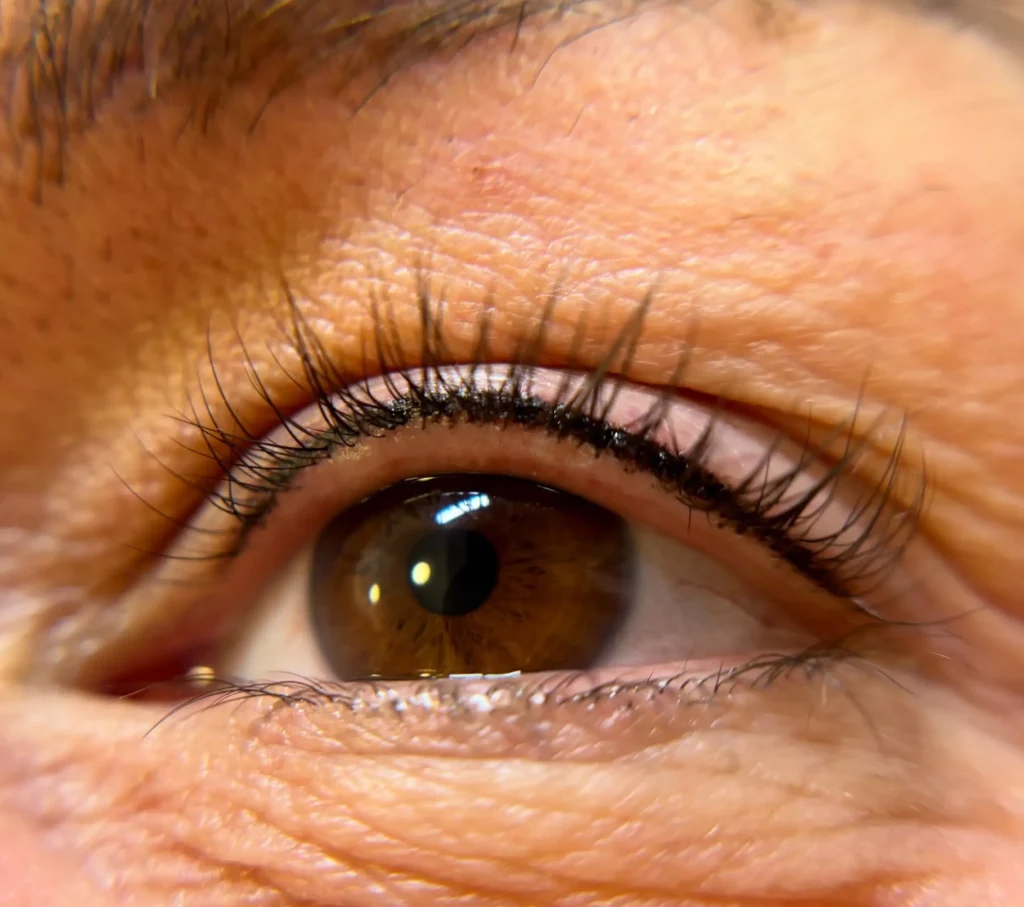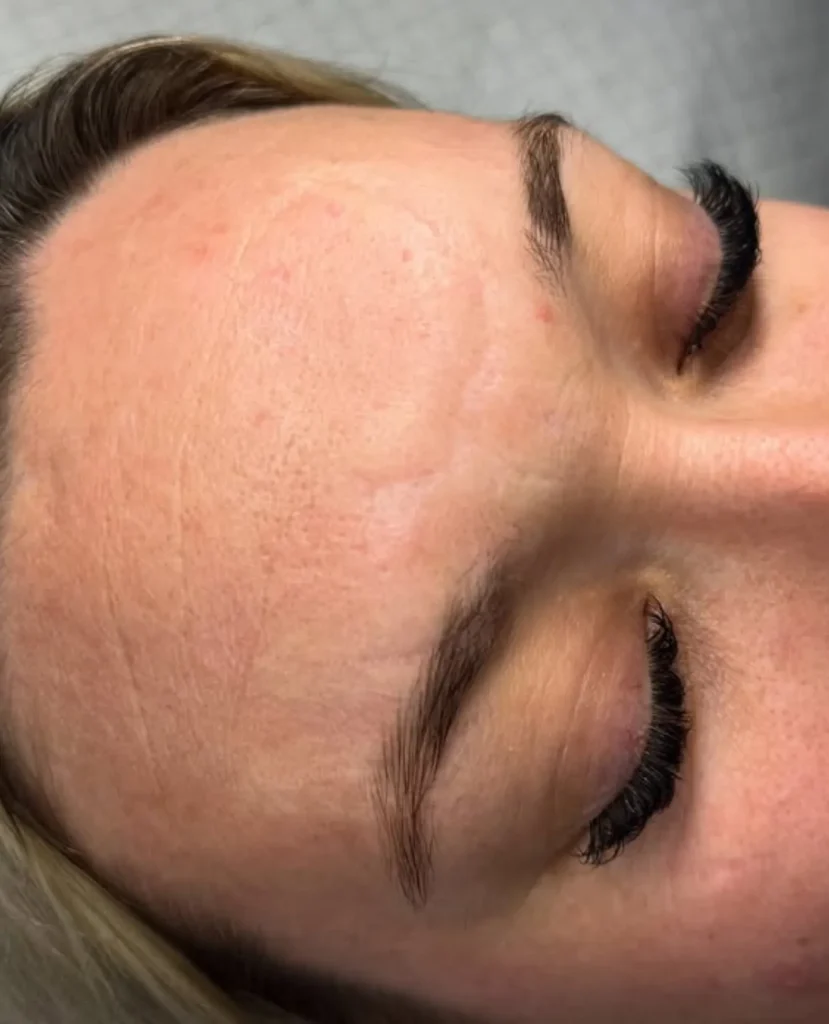
Ever looked at a faded old brow tattoo and thought, “Why has it turned that weird orange-y green?” That, my friend, is colour theory gone wrong. Or more often, not taught properly in the first place. Which is why today’s topic — Is Colour Theory Part of Cosmetic Tattoo Training? — isn’t just some dry textbook question. It’s the kind of thing that separates confident, long-term cosmetic tattooists from the ones constantly fixing their work.
In this post, we’ll break down how colour theory fits into cosmetic tattooing courses, why it’s essential to master it (especially in 2025 with skin tones getting more diverse in client demand), and what to look for in training that actually teaches you how to work with colour pigment instead of fighting it.
And if you’re serious about mastering this craft, check out Cosmetic Tattoo Melbourne Studio Face Figurati — a go-to destination for artists who want real, results-driven education in cosmetic tattooing.
Contents
- 1 Is Colour Theory Still Taught in PMU?
- 2 Colour Theory: Not Just a Pretty Circle
- 3 The Big Mistakes Artists Make
- 4 What Theory Training Should Include
- 5 2025 Beauty Trends
- 6 Real Colour Theory or Just Basics?
- 7 Final Thoughts
- 8 FAQ
- 8.1 Why is pigment theory important for cosmetic tattooists?
- 8.2 Do all cosmetic tattoo treatments require colour theory knowledge?
- 8.3 Can I learn colour theory online without practical training?
- 8.4 What skin factors influence colour outcome the most?
- 8.5 What should I expect from quality cosmetic tattoo training?
Is Colour Theory Still Taught in PMU?
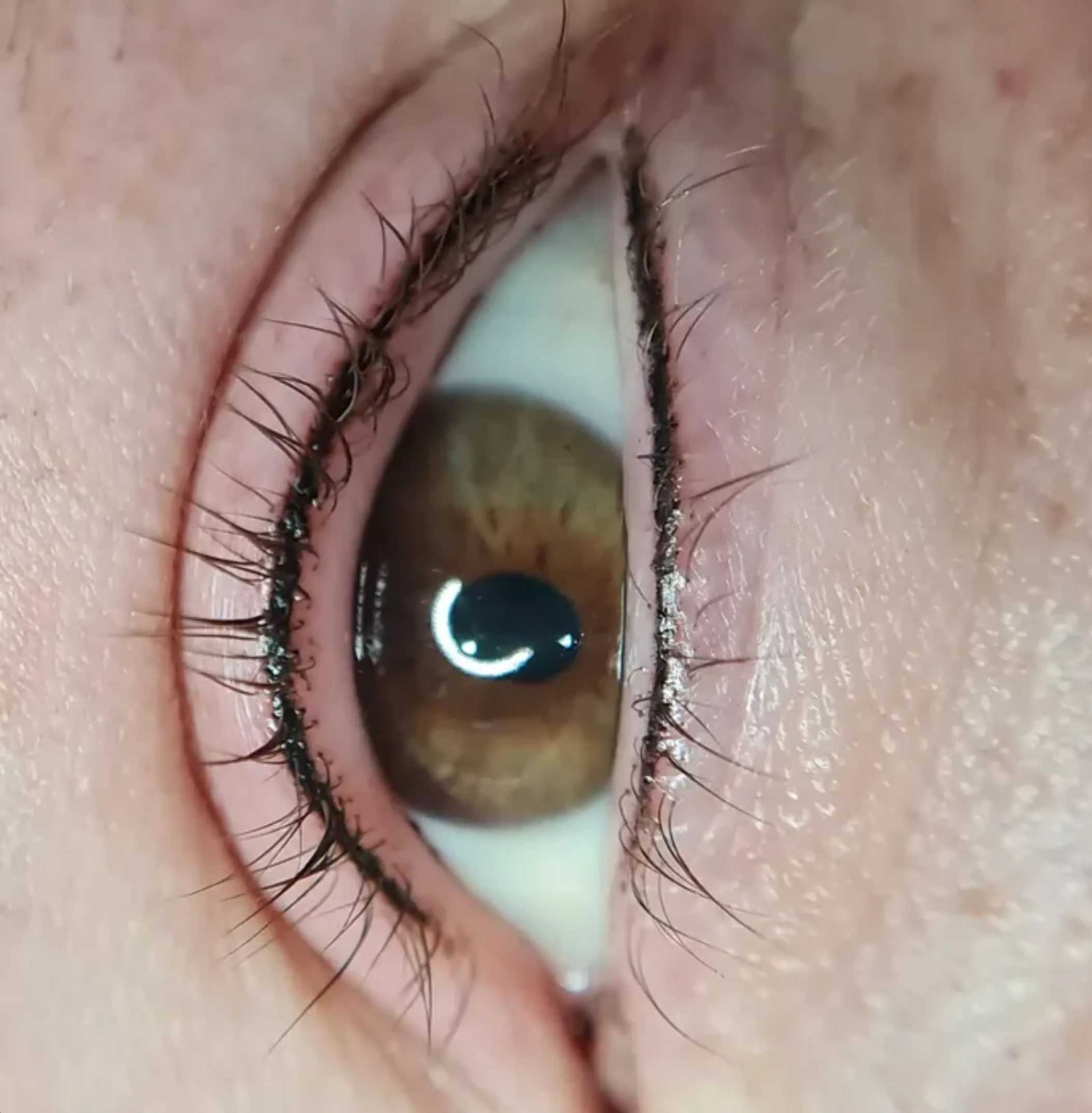
If you’re signing up for a proper, nationally accredited cosmetic tattoo course in Australia (like a Certificate or core units through a Registered Training Organisation), then yes — colour theory is usually a foundational module.
But here’s the thing: not all courses are created equal.
Some barely skim the surface of pigment theory or the colour wheel. Others still teach outdated pigment selections or don’t account for how skin undertones shift across different ethnicities, ages, or oily skin types.
At Cosmetic Tattoo Melbourne Studio Face Figurati, colour theory isn’t just mentioned — it’s embedded in everything from pigment testing to real-world cosmetic tattooing lips case studies.
What you want to look for is training that includes:
- Pigment behaviour over time (not just how it looks fresh)
- Client undertones and overtone matching
- Colour temperature and mixing for different skin types
- Skin undertone study and how pigment heals in Fitzpatrick scales
- Neutralising and colour corrections for older work
- Hands-on training with swatching and colour mixing on practice skin
Does the colour theory component feel like an afterthought in the training manuals? Run. You’ll end up learning the hard way on real clients instead of through proper training.
Colour Theory: Not Just a Pretty Circle
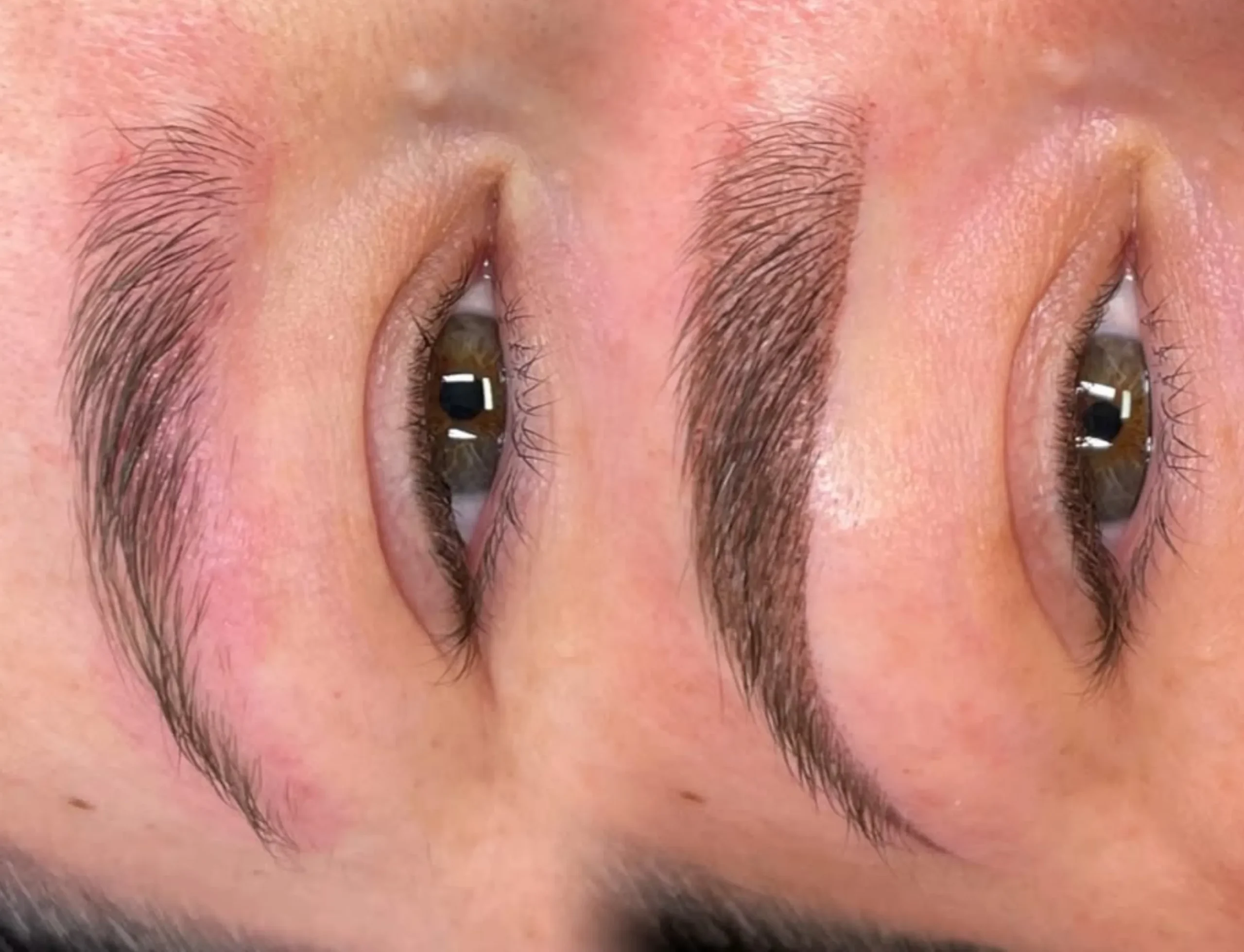
When we talk colour theory in cosmetic tattooing, we’re not painting walls or picking lipstick. We’re dealing with skin — living, healing, pigmented skin — that reacts differently depending on its anatomy, condition, and natural skin tone.
A solid grasp of the colour wheel and pigment theory helps you:
- Choose the right pigment colour selection for undertones (cool undertones vs warm, olive vs red)
- Predict how a colour outcome will fade (most fade to grey-blue, red-orange or ashy tones depending on undertones)
- Avoid “muddy” healed results
- Correct old tattoos using tertiary colours and neutralisation techniques
- Mix pigments safely and effectively
Pigment Brands Are Not a Colour Theory Shortcut
Yes, many pigment brands market themselves as “pre-corrected” or “balanced for all skin tones.”
But even in 2025, the reality is: your colour outcome won’t be the same on a fair Fitzpatrick 1 as it will on darker skin or a client with oily skin.
That’s where practical training and skin assessment become essential tools — especially for tattoos for lips, eyes, or brows.
As a working cosmetic tattoo artist, you’ll face real-life challenges daily. Studio Face Figurati makes sure your cosmetic tattoo training reflects that.
The Big Mistakes Artists Make
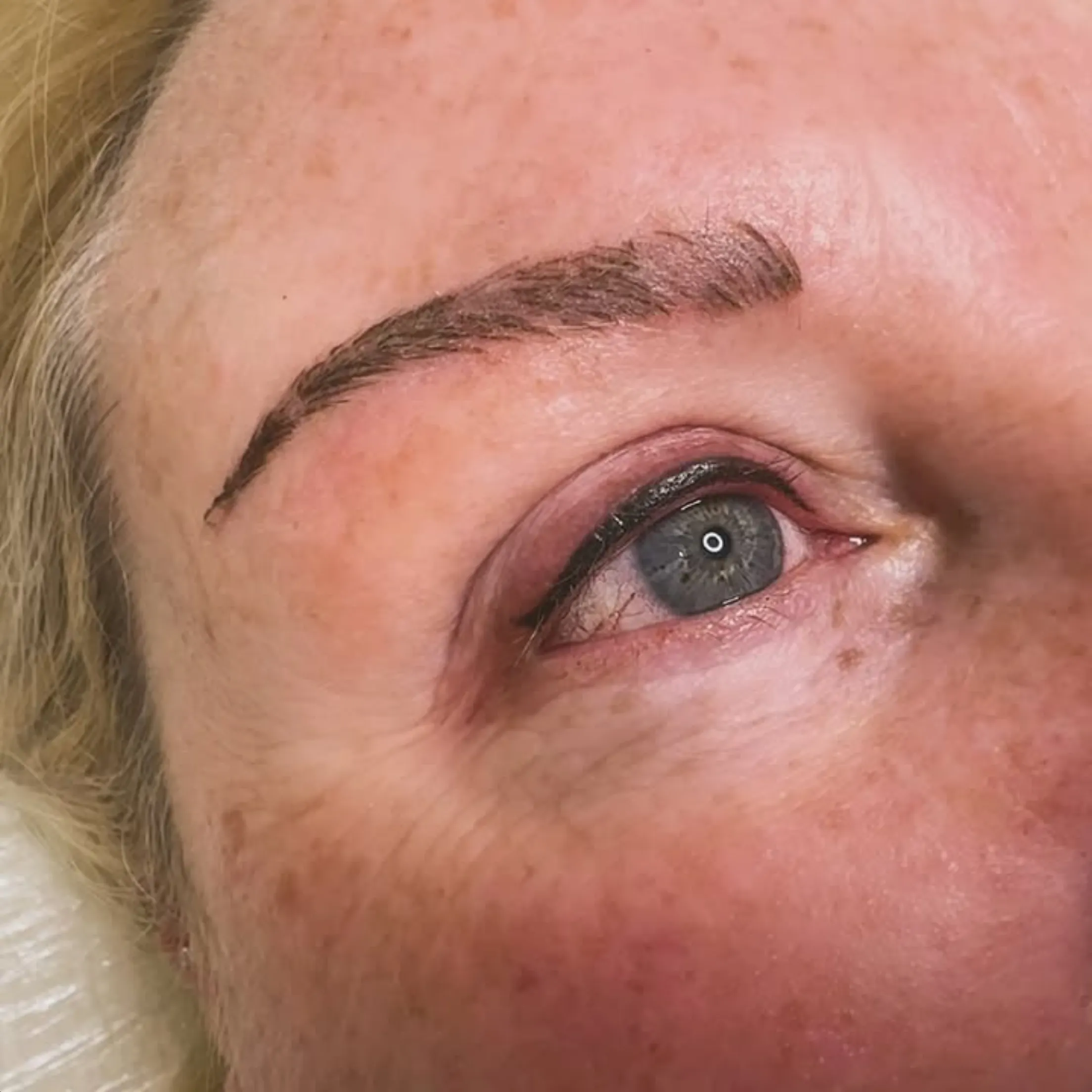
Here’s what happens when colour theory and pigment colour selection are undertaught:
- Brows that heal cool and grey on warm-toned skin
- Lip tattoos that turn neon coral instead of neutralised blush
- Corrections that just mask old pigment instead of neutralising
- Clients who love the day-one result but hate it after 6 weeks
These aren’t just “newbie slip-ups.” They’re signs that cosmetic tattooists weren’t trained in how pigment interacts with skin colour, natural beauty or the correct depth within the structure of skin.
“I once had to correct a client’s eyeliner tattoo that had healed into a teal-blue line. She’d had it done overseas and the artist clearly used a black with high blue content on olive skin. A basic colour wheel would’ve saved her the removal laser sessions.”
What Theory Training Should Include
Here’s a checklist of what proper colour theory education should look like in your cosmetic tattoo training school:
Colour Theory Training Checklist
| Topic | Must Be Included In Training? | Hands-On Component? |
|---|---|---|
| Fitzpatrick scale and undertones | ✅ Yes | ✅ Yes |
| Pigment modifiers and correctors | ✅ Yes | ✅ Yes |
| Realistic pigment fading patterns | ✅ Yes | ❌ Rarely |
| Swatch testing on latex/artificial skin | ✅ Yes | ✅ Yes |
| Colour correction case studies | ✅ Yes | ❌ Rarely |
| Neutralisation vs layering technique | ✅ Yes | ✅ Yes |
| Tertiary colours and colour mixing | ✅ Yes | ✅ Yes |
| Understanding skin anatomy and assessment | ✅ Yes | ✅ Yes |
| Using the correct needle size for the colour outcome | ✅ Yes | ✅ Yes |
The best cosmetic tattoo course will also include feedback from experienced artists, video support and practical demonstrations of healed cosmetic tattooing results across skin types.
If your training organisation is just waving bottles around or skipping deeper pigment theory? It’s not valuable training — and won’t serve you or your clients long term.
2025 Beauty Trends
According to 2025 beauty industry data, demand for melanin rich skin procedures has risen over 40% in Australia. At the same time correction work for older brow tattoos and lip liner tattoos is up due to colour migration and undertone mismatch.
That means more:
- Lip neutralisation training requests
- Clients with darker skin require adjustments in pigment temperature
- Cases where oily skin or cool undertones create unexpected healed results
Add in the surge in tattoo for lips, eyeliner tattoos and tattoo eyebrow treatments and you’re looking at a client base that expects more than just traditional makeup effects — they want long lasting results that work with their skin undertone, not against it.
And if you’re a cosmetic tattoo artist working in 2025 this knowledge isn’t optional — it’s your foundation for safe and effective cosmetic tattoo treatments.
Real Colour Theory or Just Basics?
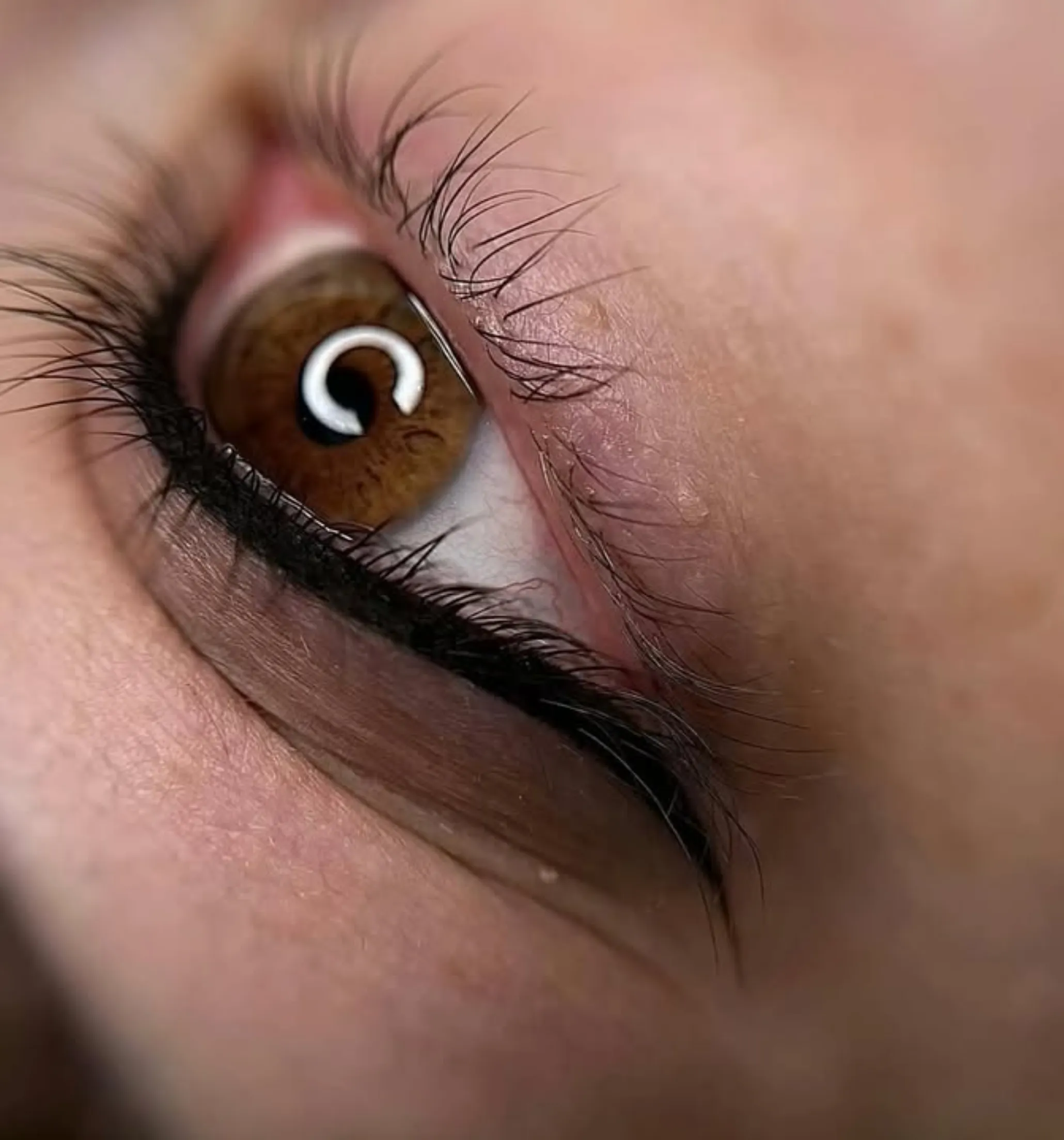
Not all cosmetic tattoo courses are equal. Before you sign up ask them:
- “Do you teach pigment theory and colour mixing based on skin types?”
- “Do you cover inorganic pigment behaviour and undertone matching?”
- “Can I see healed work or case studies from previous students?”
- “Are colour corrections and lip neutralisation included in elective units or part of the core units?”
- “Will we use a tattoo machine in practical training or just theoretical knowledge?”
Other green flags: serviceability checks on tattoo machines, proper use of pigment swatching in client consultation and reference to industry codes or codes of practice.
At Cosmetic Tattoo Melbourne Studio Face Figurati we walk students through real scenarios involving colour corrections, healed results and cosmetic tattooing lips — not just textbook examples.
Final Thoughts
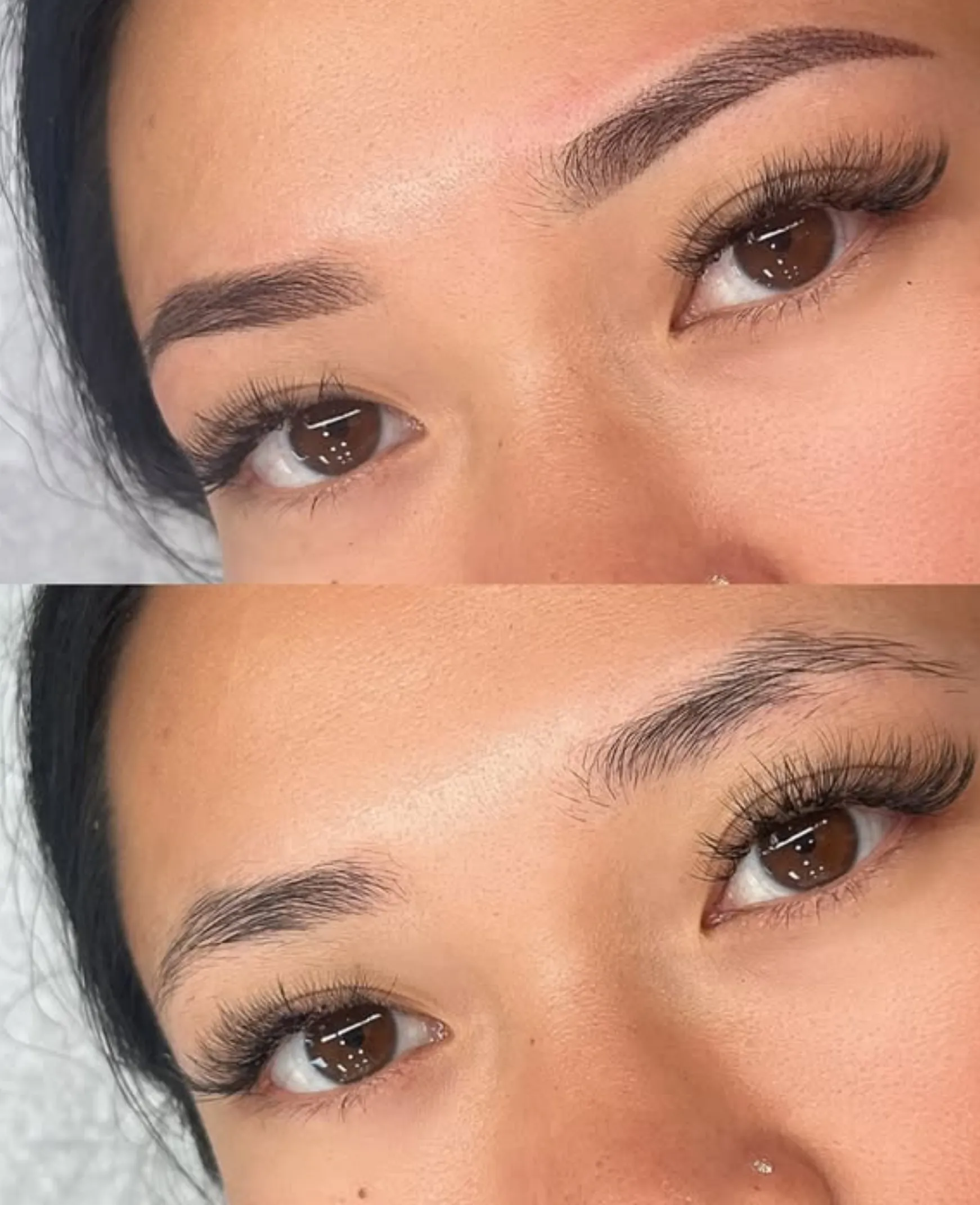
In cosmetic tattooing the most invisible skill is often the most powerful. Colour theory doesn’t show off in photos the way crisp hairstrokes or sharp wings do. But it’s what determines:
- Whether a tattoo of eyebrows stays soft or turns charcoal
- Whether your eyeliner tattoo warms or cools as it fades
- Whether your client’s trust in your eye and skill keeps them coming backIt’s not about showing off, it’s about showing up with the knowledge to give your clients the best result, every single time.
If you’re serious about becoming a master of this craft Cosmetic Tattoo Melbourne Studio Face Figurati has training that covers technique, pigment theory and practical skill for artists ready to uplevel.
Need help reviewing your current training or planning your learning path? I’d be happy to review your training dates, manuals, business plans or even your starter kit list. Let’s make sure you get the complete training you need to become one of the trusted professionals clients come to.
FAQ
Why is pigment theory important for cosmetic tattooists?
Pigment theory helps us understand how colour pigment behaves in the skin, especially over time. It informs pigment colour selection, corrections and how to work with different skin undertones.
Do all cosmetic tattoo treatments require colour theory knowledge?
Yes — whether you’re doing a lip liner tattoo, tattoo for eyes or eyebrow tattoo, understanding colour temperature and mixing ensures healed results that match the clients natural skin tone.
Can I learn colour theory online without practical training?
You can learn theoretical knowledge and use it for future reference, but without hands on training — especially swatching on practice skin and working at the correct depth — you won’t have the confidence to apply it properly.
What skin factors influence colour outcome the most?
Skin undertones, skin colour, oiliness and even eye shape or facial structure can affect how colour heals. Understanding the structure of skin and doing proper skin assessment is key.
What should I expect from quality cosmetic tattoo training?
Look for courses that offer serviceability checks, infection risks training, correct needle size usage, client consultation techniques, internet access for ongoing learning, business hours planning, and both elective and core units to build foundational and advanced skills. And ideally, train with experienced professionals like those at Cosmetic Tattoo Melbourne Studio Face Figurati.